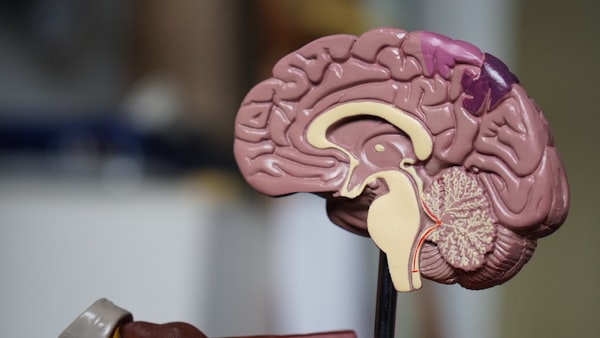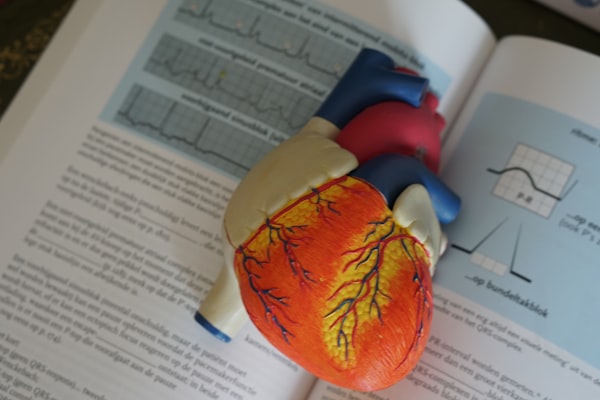
Medical Electronics Engineering was established in 2007 with a sanctioned intake of 120. A medical electronics engineer can be called the doctor of the equipments — without whom a doctor, surgeon or multi-specialty hospital is helpless.
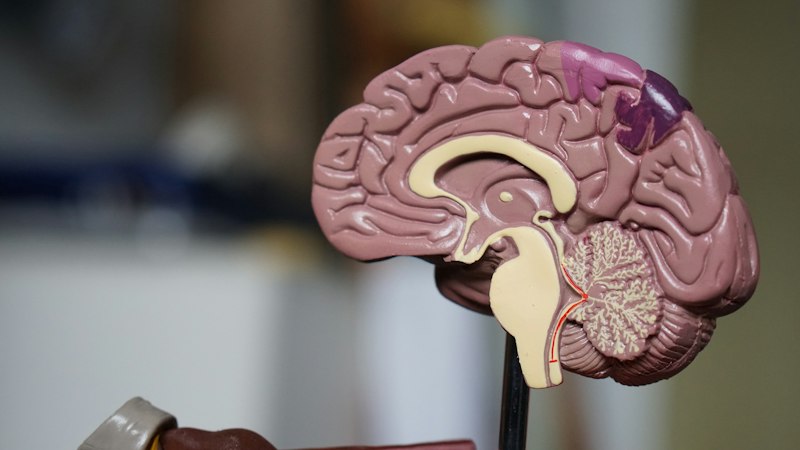
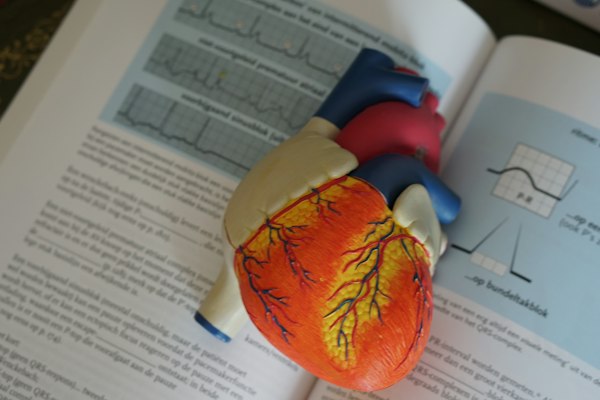
Engineers in this field combine knowledge of biology and medicine with engineering to design devices and systems such as artificial organs, medical imaging, biosignal processing and rehabilitation systems.
A four-year engineering programme equipping students with comprehensive knowledge in biosignal processing, medical instrumentation, imaging systems and healthcare electronics. Graduates are prepared for careers in hospitals, medical device companies, research labs and the healthcare industry.
Bachelor of Engineering
A two-year postgraduate programme designed to develop advanced expertise in medical instrumentation, biomedical signal analysis, diagnostic imaging and embedded medical systems. Graduates contribute to research institutions, hospitals and the growing medical device industry.
Master of Engineering
An approved research centre by Anna University, Chennai, enabling scholars to contribute to cutting-edge medical electronics research addressing critical healthcare challenges at local and global levels.
B.E / B.Tech in Medical Electronics, Biomedical Engineering, ECE, EEE, Instrumentation or relevant disciplines — minimum 55% marks or 5.5 CGPA on a 10-point scale.
M.E / M.Tech / M.S in Medical Electronics, Biomedical Engineering, Embedded Systems or relevant disciplines — minimum 55% marks or 5.5 CGPA on a 10-point scale.
Minimum 50% marks or 5.0 CGPA for SC/ST candidates and Persons with Disability (>40%) as per Anna University norms.
Expected accomplishments of graduates within a few years of completing their degree.
Engineering Graduates will be able to demonstrate these capabilities:
| Code | Outcome | Description |
|---|---|---|
| PO1 | Engineering Knowledge | Apply knowledge of mathematics, natural science, computing and engineering to develop solutions for complex engineering problems. |
| PO2 | Problem Analysis | Identify, formulate and analyze complex engineering problems reaching substantiated conclusions with consideration for sustainable development. |
| PO3 | Design / Dev. of Solutions | Design creative solutions for complex engineering problems to meet identified needs with consideration for public health, safety, net zero carbon, culture, society and environment. |
| PO4 | Investigations | Conduct investigations using research-based knowledge including design of experiments, modelling, analysis and interpretation of data to provide valid conclusions. |
| PO5 | Modern Tool Usage | Create, select and apply appropriate techniques, resources and modern engineering and IT tools, including prediction and modelling to solve complex engineering problems. |
| PO6 | Engineer & Society | Analyze and evaluate societal and environmental aspects while solving complex engineering problems for impact on sustainability, health, safety, legal framework and environment. |
| PO7 | Env. & Sustainability | Apply ethical principles and commit to professional ethics, human values, diversity and inclusion; adhere to national and international laws. |
| PO8 | Ethics | Understand and commit to professional ethics, responsibilities, norms of engineering practice and human values. |
| PO9 | Individual & Team Work | Function effectively as an individual, and as a member or leader in diverse multidisciplinary teams. |
| PO10 | Communication | Communicate effectively and inclusively within the engineering community and society, making effective reports, design documentation and presentations. |
| PO11 | Project Management | Apply engineering management principles and economic decision-making to manage projects in multidisciplinary environments. |
Unique competencies developed through the Medical Electronics curriculum, aligned with healthcare industry requirements.
Experienced and dedicated faculty committed to academic excellence and student development.
| S.No. | Name | Designation |
|---|---|---|
| 01 | Dr. R. Satishkumar | Principal & Professor |
| 02 | Dr. E. Geetha | Professor & Head of Department |
| 03 | Dr. R. Poovendiren | Associate Professor |
| 04 | Dr. C. Rajakumar | Associate Professor |
| 05 | Dr. A. Prabin | Associate Professor |
| 06 | Mr. A. Suresh | Assistant Professor |
| 07 | Mrs. A. Ramya | Assistant Professor |
| 08 | Mrs. V. Kavitha | Assistant Professor |
| 09 | Mrs. R. Reshma | Assistant Professor |
| 10 | Mr. N. Chiranjeevi | Assistant Professor |
| 11 | Mrs. M. Divyalakshmi | Assistant Professor |
| 12 | Mr. G. Syed Zabiyullah | Assistant Professor |
| 13 | Mr. P. Velusamy | Assistant Professor |
| 14 | Mr. S. Kannan | Assistant Professor |
| 15 | Mrs. K. Dhivya | Assistant Professor |
| 16 | Ms. R. Saraswathi | Assistant Professor |
| 17 | Mr. S. Sakthivel | Assistant Professor |
| 18 | Mr. T. K. Sivakumar | Assistant Professor |
| 19 | Ms. M. Moulika | Assistant Professor |
| 20 | Mr. S. Gowtham | Assistant Professor |
| 21 | Mr. B. Mohankumar | Assistant Professor |
Medical Diagnostics & Design Lab — inaugurated on 30 April 2022, budget Rs. 6,00,000/-
Established in association with AtheenaPandian Pvt Ltd, Tenkasi — providing a mechanism for sharing knowledge, resources, experience and best practices to improve teaching-learning through real-time industry-oriented projects.
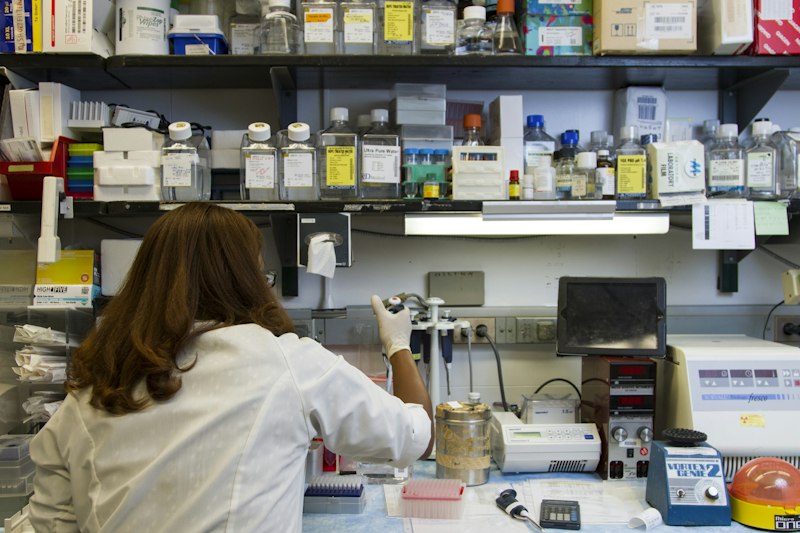
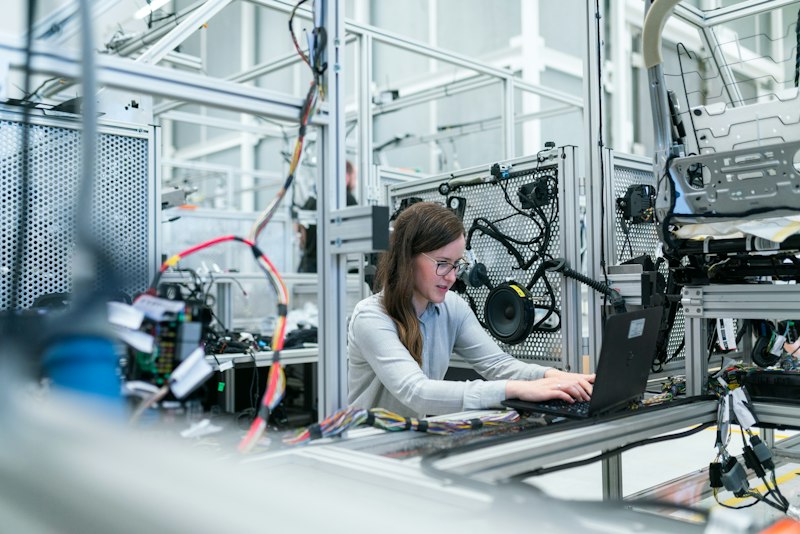
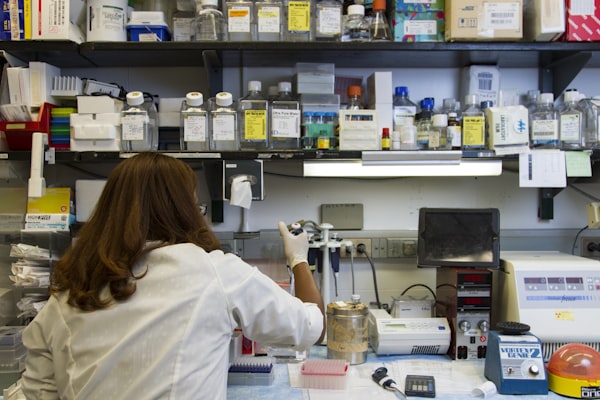
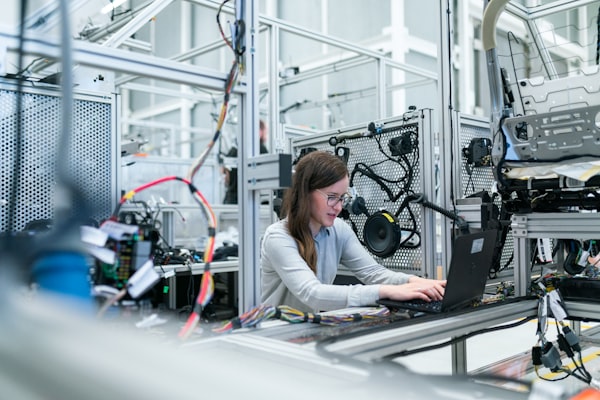
State-of-the-art laboratories providing hands-on training aligned with curriculum and industry standards.
Student clubs and associations fostering co-curricular engagement, innovation and social responsibility.
A glimpse into the laboratories, events and activities of the Department of Medical Electronics.
First and only college with both UG & PG in Medical Electronics. Begin your journey in healthcare engineering.